00 — Introduction
Scoliosis is a race against the growing years.
We are a small research team developing a softer, more adaptable brace for growing spines — subscribe to follow the work as it happens.

01 — Problem
Time is the hardest part of it.
Scoliosis and kyphosis are usually found in childhood or adolescence — the years when the spine grows fastest. Those are also the years when every decision about treatment carries the most weight, and they do not last long.
Rigid braces are often worn for many hours a day, for years. Whether long periods in a rigid brace contribute to weaker trunk muscles is still debated among clinicians and researchers.
When a curve keeps progressing, surgery may be recommended. Spinal fusion is a major operation, and its consequences last a lifetime.

02 — Founder story
I know firsthand how stuck patients with scoliosis and kyphosis can feel. On one side were doctors who recommended bracing. On the other were doctors who opposed it, warning that years in a brace would waste away the muscles (atrophy).
This wasn’t just a difference of medical opinion. For me and my family, it meant deep confusion and time we could never get back. While you’re trying to decide what to do, the spine keeps growing and the curve keeps progressing. If the right step isn’t taken in time, the options narrow, and surgery becomes the conversation.
Scoliosis and kyphosis surgeries are delicate operations. Nerve damage is rare, but when it happens it can be permanent. Infection and implant complications are always a possibility.
Even when everything goes right, there’s a cost. The metal rods used to straighten the curve permanently fuse that section of the spine. The flexibility there never comes back, and the patient learns to live within new limits for the rest of their life.
We’re building Braceica so that other patients don’t have to go through the uncertainty I did.

03 — Vision
Our vision
To turn bracing from a fixed shell into a treatment that evolves with the patient.

One brace for the whole journey
Instead of braces that must be remade as the curve changes, a single brace designed to adapt as treatment progresses.
Freedom of movement
More room to move and more comfort in daily life, without locking the patient in a rigid shell.
Designed with muscle health in mind
An approach that takes the effect of traditional bracing on the muscles into account from the start.
Closer follow-up
Giving doctors visibility into how treatment is going between visits, so they can step in sooner.
Confidence
A low-profile design that fits under clothing, aiming to ease the weight of a long treatment on everyday life.
04 — Who it’s for
Who we are building this with.
- Patients and families
- We are designing for the child who wears the brace and for the family who supports them every day.
- Orthopedists
- We aim to give you clearer information between visits, while the clinical judgement stays yours.
- Orthotists
- We want to work alongside the professionals who fit and adjust braces, not around them.

05 — Where we are
An honest timeline.
We are at the beginning. This is where the project stands today.
- Idea
- ValidationNow
- Proof of concept
- Prototype
- Clinical study
06 — Team
The people behind it.
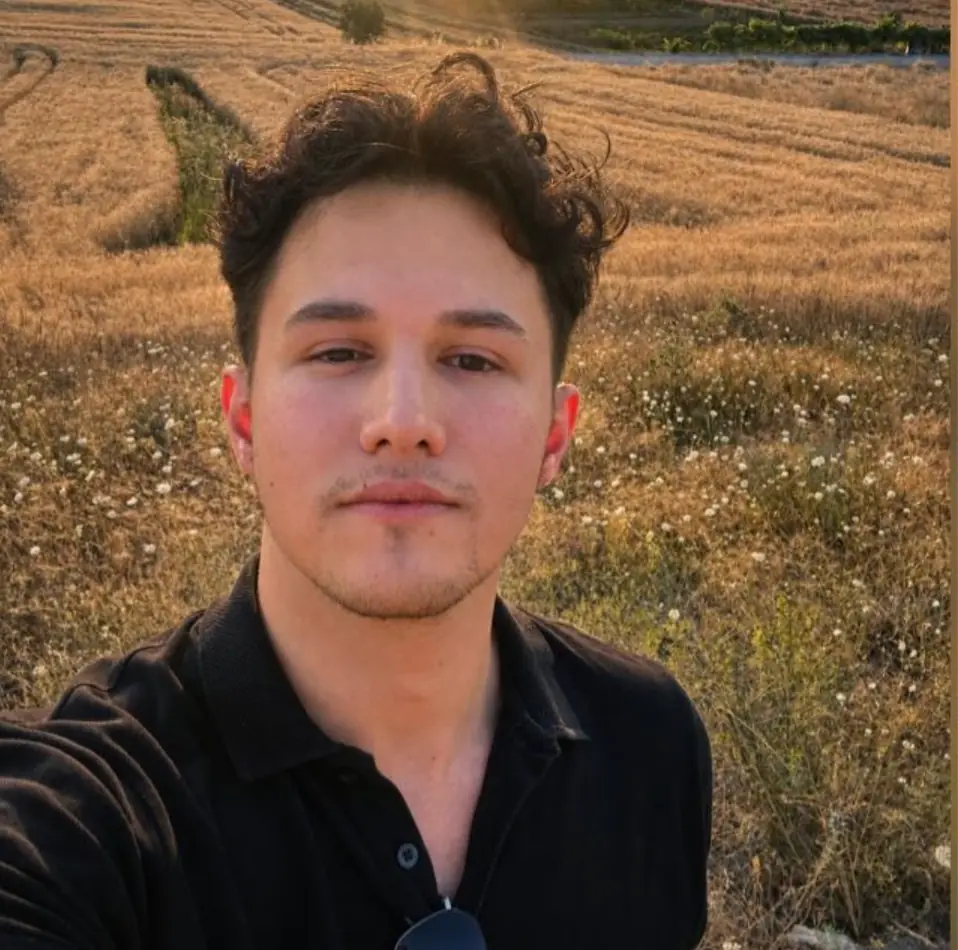
Oğuzhan Yıldıko
CEO
Oğuzhan Yıldıko on LinkedIn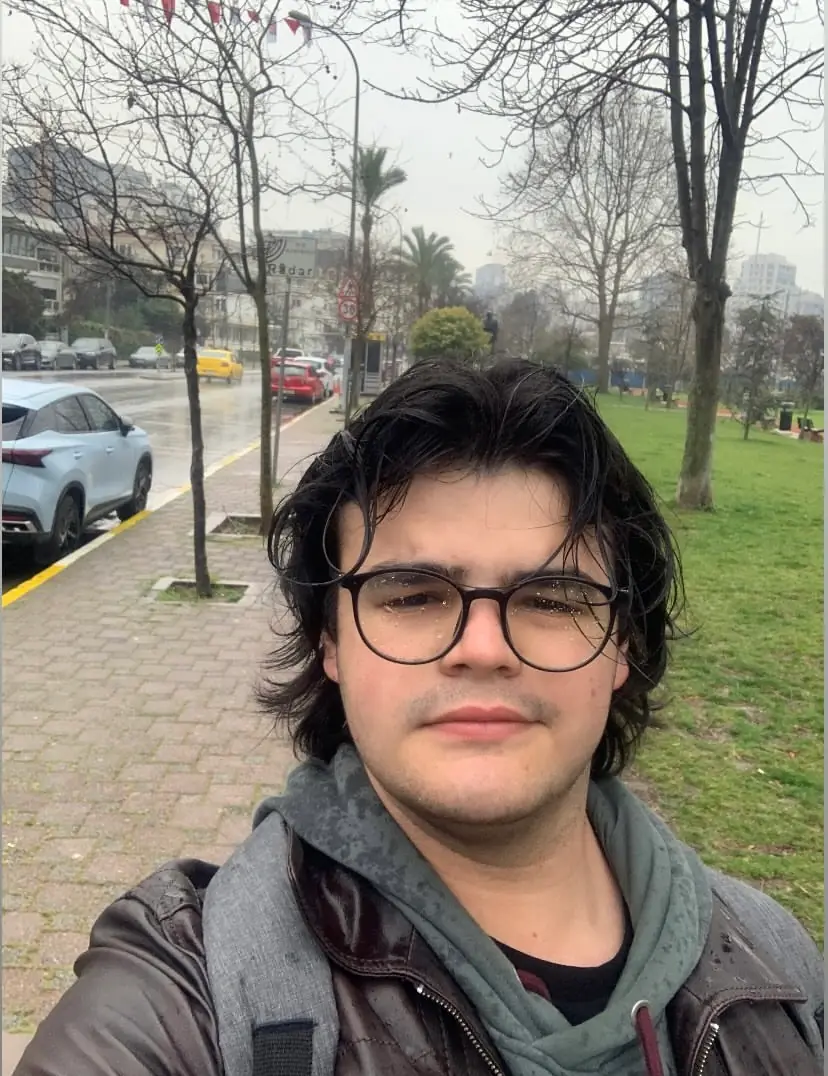
Samet Sevindik
CTO
When I wrote my first line of C++ at 12, what excited me was the idea of building something from nothing. Over time, that excitement became a purpose: that every line I write and every circuit I design might one day make someone’s life genuinely easier.
I’m happiest where hardware meets software, where a signal from a sensor turns into a meaningful decision. That’s exactly what I do at Braceica: I lead the technical side, from the brace’s electronics to the app doctors and patients will use.
For me, this project is more than an engineering problem. It’s where technology touches people most directly.
Samet Sevindik on LinkedIn


07 — Programs
Program participant
- GarajX
- ODTÜ TeknokentTÜBİTAK BiGG process
08 — Stay in touch
Follow the work, or be part of it.
Contact
Clinicians, partners and investors — we would like to hear from you.
Or write to us at info@braceica.com